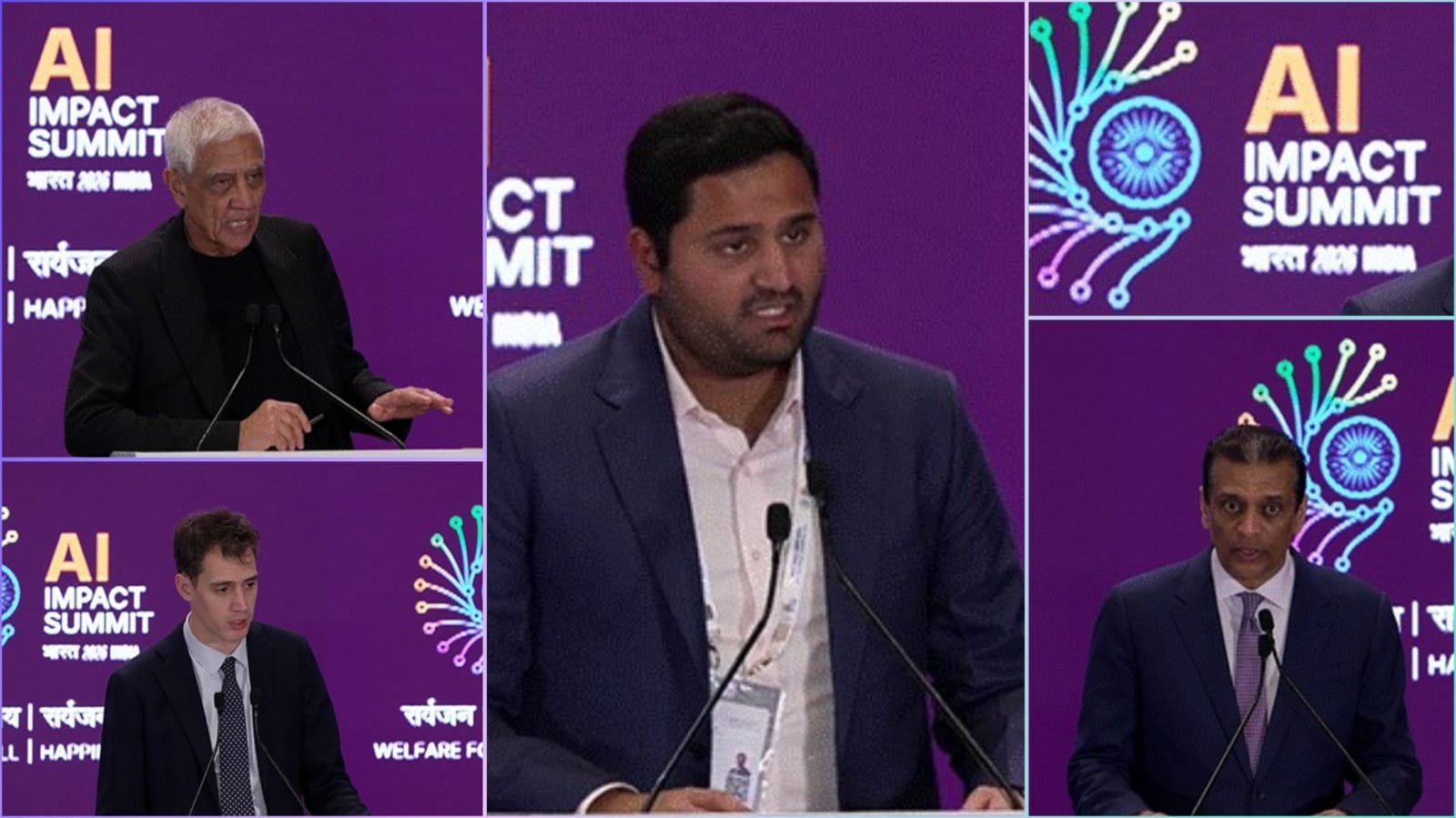
India has firmly transitioned from a technology consumer to the primary architect of the world’s digital future. At the landmark India AI Impact Summit 2026, inaugurated by Prime Minister Shri Narendra Modi at Bharat Mandapam, New Delhi, the conversation shifted from mere innovation to the critical themes of autonomy, infrastructure, and mass empowerment. Welcoming the global AI ecosystem on behalf of 140 crore Indians, the Prime Minister set the stage for a summit that defines India as a global partner in a futuristic, sovereign world.
The summit highlighted a powerful consensus: for AI to be truly transformative, it must be decentralized. Arthur Mensch, CEO & Co-founder of Mistral AI, delivered a strong message on digital self-reliance, stating, “AI should be a tool for empowerment, not for dominance. Countries and regions must own their AI destiny; it is not a privilege, but a necessity for preserving digital autonomy.” Warning against the concentration of technological power, Mensch emphasized that the future must be built by the many, and for the many, ensuring that a handful of corporations do not own the keys to global intelligence.
This vision of autonomy is physically rooted in the energy and infrastructure that powers the AI century. Jeet Adani, Director of Adani Digital Labs, framed AI through the lens of strategic national capability. He remarked, “AI is written in code, but it runs on electricity. If a nation’s energy systems are fragile, its intelligence systems are fragile.” By focusing on green, sovereign AI infrastructure, Adani noted that the real question is no longer about India’s participation, but whether the “AI century will carry India’s imprint, in its infrastructure, its intelligence, and its values.”
The economic and social implications of this shift are equally profound. Rajesh Subramaniam, CEO of FedEx, positioned AI as the foundational infrastructure for a new industrial era, particularly within global supply chains. “AI is no longer a trend—it is the next industrial system. Intelligence is not an asset, it is infrastructure,” Subramaniam noted, adding that future differentiation in global commerce will come from orchestrating the intelligence that governs resilient supply chains.
Ultimately, the summit concluded that the true test of AI lies in its human impact. Vinod Khosla, Founder of Khosla Ventures, shifted the focus to large-scale societal empowerment. He asserted, “Unless AI benefits the bottom half of India’s population, we will not see its true impact.” Khosla envisions a near future where AI tutors and doctors are accessible to every citizen, multiplying access to healthcare and education at a scale and cost previously thought impossible.
As the session closed, the message from Bharat Mandapam was clear: India stands at a decisive inflection point, ready to architect AI systems that are inclusive, resilient, and globally influential, ensuring the “AI Century” is synonymous with equitable progress.
